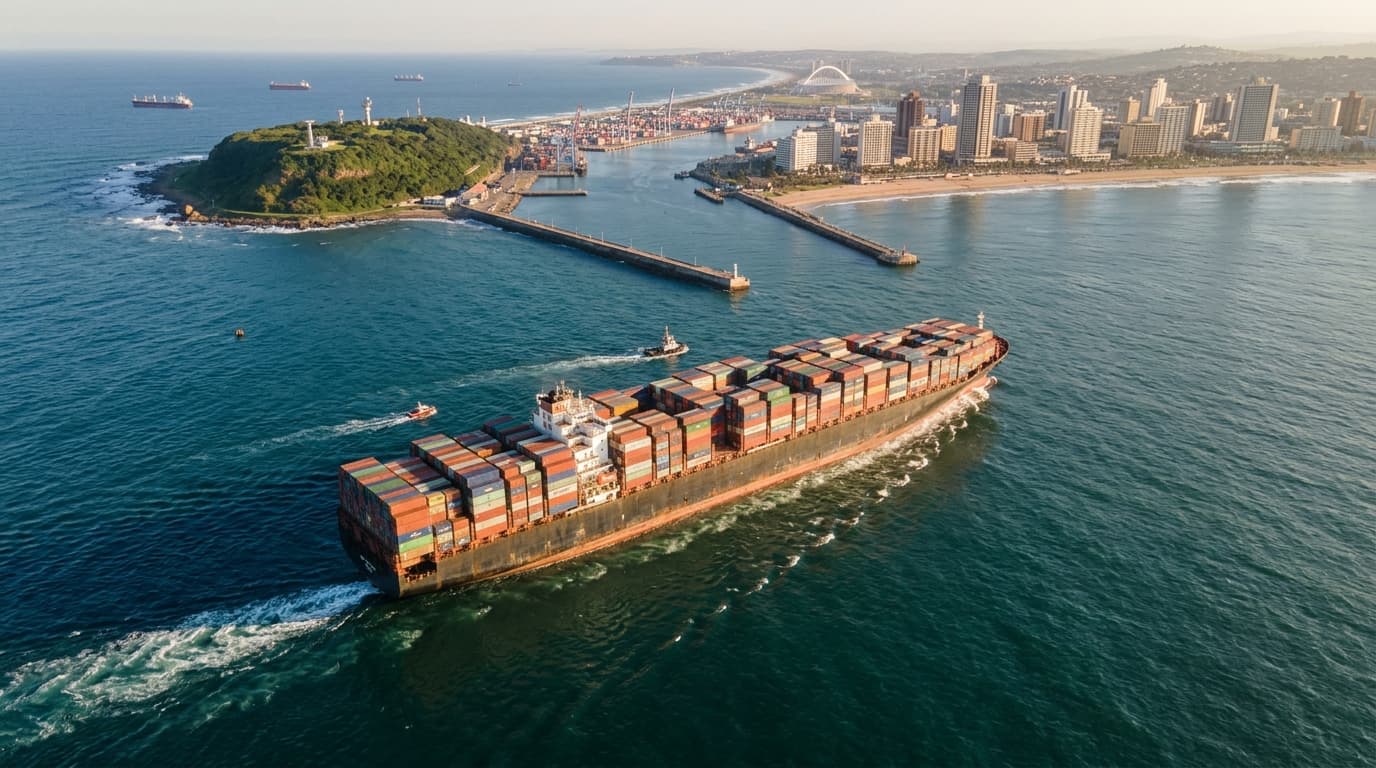
South Africa requires an import permit for second-hand vehicles, and the rules only allow imports under specifically defined circumstances. If you're considering car shipping to South Africa, this requirement should be one of your first checks, not something you investigate after paying for a vehicle. The South African government's official guidance identifies eligible categories that include certain returning residents, immigrants with permanent residence, and specific types of vehicles.
This restriction can make importing a used car more complicated than simply finding a good deal and paying for shipping. You may also need a Letter of Authority from the National Regulator for Compulsory Specifications (NRCS), along with the applicable ITAC import permit and customs documents. If you overlook these requirements, you risk delays, additional expenses, or problems clearing the vehicle when it arrives. Therefore, checking eligibility and documentation before purchase is essential.
At AFRIKARS, we're committed to helping people access useful information so they can make better-informed vehicle-purchasing decisions. We currently arrange vehicle purchases, shipping, customs clearance, and delivery. Likewise, we've prepared this guide to help you understand the key considerations. You'll learn how to estimate shipping costs, follow the import process, plan for delivery, and check the restrictions that may affect your vehicle before spending your money.
The cost of car shipping to South Africa generally ranges from $2,500 to $7,000 USD, depending on your origin country, shipping method, and vehicle size.
In addition to base freight rates, South Africa imposes heavy import taxes and duties that can easily add 20% to 45% (or more) of the vehicle's value to your final bill.
Estimated Shipping Costs by Method
| Shipping Method | Estimated Cost (USD) | Best For | Pros & Cons |
|---|---|---|---|
| Roll-on/Roll-off (RoRo) | $2,500 – $4,500 | Standard, running vehicles | Most affordable; car is exposed to elements on deck |
| Shared Container (Consolidation) | $3,500 – $5,500 | Extra protection on a budget | Better security; may take longer to ship while waiting for container to fill |
| Sole Use Container (20ft / 40ft) | $5,000 – $7,000+ | Luxury, classic, or non-running cars | Maximum security, allows packing personal items; most expensive |
The base freight rate is only part of the equation. South Africa protects its local automotive industry by heavily taxing imported vehicles. Unless you qualify for specific immigrant exemptions, the South Africa Revenue Service (SARS) has the following fees:
- Customs Duty: Generally 25% of the vehicle’s value.
- Value Added Tax (VAT): 15% calculated on the vehicle's value plus shipping costs and duty.
- Ad Valorem Customs Duty: A luxury tax ranging from 0% to 30%, scale-tied to the vehicle's overall value.
- Port & Clearance Fees: Plan for an extra $500 to $1,500 for offloading, terminal handling, and customs broker fees at ports like Durban or Cape Town.
Also Read: VIN Decoder: How to Decode a Vehicle VIN Number Easily
- Import Permit Required: You must secure an Import Permit from the International Trade Administration Commission (ITAC) before the car leaves the origin country. Shipping a car without this can lead to confiscation or forced repatriation at your expense.
- Letter of Authority (LOA): You must obtain an LOA from the National Regulator for Compulsory Specifications (NRCS).
- Right-Hand Drive Only: South Africa generally bans the permanent import of left-hand drive (LHD) vehicles unless you owned the vehicle prior to 2000 or have a highly specific, rare exception.
You can consult the SARS customs and excise resources to understand the applicable requirements.
To estimate your total expenditure, consider these cost components:
| Cost component | What to consider |
|---|---|
| Vehicle purchase price | The amount paid to the dealer or auction |
| Inland transportation | Moving the vehicle to the US export port |
| Ocean freight | Shipping the vehicle to South Africa |
| Insurance | Any applicable or optional marine insurance |
| Import duties and taxes | Charges assessed under South African customs rules |
| Port and shipping-line fees | Terminal handling and other destination charges |
| Customs clearance | Fees for the required clearance services |
| Final delivery | Transportation from the port to your preferred destination |
For example: If you purchase a vehicle for $7,000 and receive an ocean-freight quote of $2,500, your total cost will exceed $9,500 once you account for applicable duties, taxes, clearance, and delivery.
Meanwhile, you should also check import eligibility before paying for the vehicle. South Africa does not generally allow unrestricted imports of used cars simply because the importer can pay the relevant duties.
The South African government's official guide to importing second-hand vehicles explains that used-vehicle imports require a permit and are allowed only under specified circumstances.
Also Read: Used Cars From USA | How to Buy and Import to Africa
Car shipping to South Africa involves more than purchasing a vehicle and booking a vessel. You must first confirm that you are legally eligible to import the vehicle, and obtain the necessary approvals before paying for shipping.
Below is how you can ship a car from South Africa to the United States:
Before browsing dealerships or auctions, check whether South African regulations allow you to import the vehicle. South Africa restricts used-car imports to specific categories. These include certain returning South African residents, immigrants with permanent residence, and qualifying vehicles such as vintage passenger cars, racing cars, and inherited vehicles, subject to the relevant rules.
If you want to import a used car for personal use, do not assume that purchasing it overseas automatically makes you eligible. Consult the International Trade Administration Commission of South Africa (ITAC) for the applicable import-permit requirements and guidance.
Once you understand the eligibility requirements, identify a vehicle that meets your needs and budget. If you're buying from an auction, carefully review the condition report and available photographs. A vehicle with significant damage may require expensive repairs, even if its purchase price looks attractive.
You should also check whether the vehicle meets the applicable South African technical requirements.
At AFRIKARS, we bring the major stages of shipping cars to South Africa into one coordinated process. We purchase your chosen vehicle from a dealer or auction on your behalf, arrange transportation and shipping, handle customs clearance, and coordinate delivery to your door in South Africa.
For partnership and more information about AFRIKARS, reach out to our team **here**.
For a used vehicle, confirm the permit requirements with ITAC before shipping. You may also need a Letter of Authority from the NRCS. The NRCS states that a Letter of Authority is required for individuals and organisations importing new or used vehicles intended for use on public roads, subject to the applicable rules. It also advises importers to consult ITAC regarding import permits.
After confirming eligibility and the required approvals, request a shipping quote from an international vehicle-shipping provider.
Give the company the vehicle's details, its current location in the USA, and your preferred destination port in South Africa.
Ask whether the quote includes:
- Collection from the seller or auction yard
- Inland transportation to the US port
- Export documentation
- Ocean freight
- Shipping insurance
- Destination port charges
- Customs clearance
- Delivery after clearance
Before the vehicle leaves the United States, the exporter must meet the applicable export requirements. US Customs and Border Protection requires specific documents for exporting used vehicles, including the relevant title documentation and advance submission requirements. For a US-titled used vehicle, the exporter generally must submit the required documents to the designated port at least 72 hours before export.
You can review the requirements in the official US Customs and Border Protection vehicle-export guidance here.
Once the vehicle meets the export
requirements and the provider completes the necessary arrangements, the car can be loaded for shipment. Depending on your agreement, the vehicle may travel by RoRo or inside a shipping container.
Before departure, confirm:
- The vessel's expected departure date
- The destination port
- The estimated transit time
- The shipment reference or booking details
- The insurance arrangements
- How you will receive progress updates
Ensure to keep copies of the purchase documents, title, shipping agreement, and export paperwork.
Also Read: Used Cars for Sale in USA Under $5,000: Buying Guide
When the vehicle arrives, you must complete the applicable customs-clearance process. Depending on the vehicle and your circumstances, the documents may include:
- Vehicle title or ownership documents
- Purchase invoice
- Bill of lading
- ITAC import permit
- NRCS Letter of Authority
- Customs declaration and supporting documents
- Proof of payment of assessed duties and taxes
- Other documents requested by the relevant authorities
After customs clearance and release, arrange transportation from the port to your destination. If you intend to register the vehicle for road use, check the registration requirements with the relevant authority. The South African government's vehicle-registration guidance identifies the relevant registration forms, identity documents, and Letter of Authority requirements, among other applicable records.
Meanwhile, AFRIKARS understands the importance of knowing the complete purchasing and import process before committing to a vehicle. Our current vehicle-purchasing, shipping, customs-clearance, and delivery service is available for you in South Africa.
For partnership and more information, you can **connect with us here**.
Car shipping to South Africa generally takes several weeks by sea, but the exact timeline depends on the departure port, vessel schedule, shipping method, and destination port. However, A-1 Auto Transport estimates that ocean transit can take about five to eight weeks on some routes, although specific journeys may take longer.
Remember that the ocean journey is only one stage of the process. You must also account for vehicle collection, export processing, required permits, customs clearance, and final delivery.
Typically, you cannot control every part of international shipping, but you can reduce avoidable delays and here is how to minimise delays:
- Check eligibility first: Confirm that you qualify to import the vehicle before paying for it.
- Secure the required approvals: Obtain the necessary permits and technical authorisations before shipment.
- Prepare documents early: Check the title, invoice, VIN, and export paperwork. You can access AFRIKARS VIN Decoder to check the authenticity of a car.
- Choose your provider carefully: Ask for a realistic schedule and clear communication arrangements.
- Prepare for customs clearance: Confirm the documents and charges required in South Africa.
- Keep funds available: Unpaid duties, port charges, or clearance fees can delay the release process.
- Allow a time buffer: Avoid relying on the shortest advertised transit estimate if you need the vehicle by a particular date.
Also Read: Cost of Clearing a Car in Nigeria: Fees & Import Charges
When arranging car shipping to South Africa, you must be ready to present the documents required to release the vehicle.
These documents include:
| Document | Purpose |
|---|---|
| Vehicle title or ownership documents | Establishes ownership and supports the export and import process |
| Purchase invoice | Records the vehicle transaction and purchase price |
| Bill of lading | Records the international shipment |
| ITAC import permit | Provides the required import authorisation for a qualifying used vehicle |
| NRCS Letter of Authority | Confirms the relevant technical-compliance approval |
| Customs declaration | Provides information needed for customs assessment |
| Proof of payment | Helps demonstrate that assessed charges have been paid |
| Additional supporting documents | May be required depending on the import category and your circumstances |
Eligibility generally depends on the import category and the applicant's circumstances. Examples of categories recognised in the government's guidance include:
- Returning South African residents: Certain residents returning after living abroad may qualify to import a vehicle registered in their names, subject to the applicable requirements.
- Immigrants with permanent residence: Qualifying immigrants may be eligible under the relevant permit conditions.
- Vintage or qualifying collectible vehicles: Certain older vehicles may qualify under specific import categories.
- Racing vehicles: Vehicles intended for qualifying racing purposes may be eligible under the relevant rules.
- Inherited vehicles: Certain vehicles inherited by an applicant may qualify, subject to the required supporting documents.
The NRCS explains that a left-hand-drive vehicle may only be legally imported and operated on a South African public road if it was registered in the Republic in the registered owner's or importer's name before 1 January 2000, subject to the applicable requirements and proof of ownership.
Roll-on/roll-off (RoRo) shipping can be more economical for vehicles that meet the shipping company's requirements because the car is driven onto and off the vessel. Container shipping may be preferable if you need additional protection or want to ship permitted items alongside the vehicle. Therefore, compare quotes carefully, including port handling and other charges, before choosing a method.
Your vehicle may face customs or registration problems if you ship it without the required approvals. You could also incur additional storage and handling costs while the issue is addressed. For this reason, confirm the applicable permit and documentation requirements before shipping rather than assuming you can resolve them after the vehicle arrives.
Yes, AFRIKARS currently helps customers purchase vehicles from US dealers and auctions, arrange shipping, handle customs clearance, and deliver vehicles to your destination.