A car advertised for $5,000 in the United States may look like a bargain until shipping fees, customs duties, and other charges enter the picture. If you want to import cars to Nigeria, understanding the full cost before making a payment can help you avoid unpleasant surprises and choose a vehicle that fits your budget. The real question isn't just how much the car costs overseas, but how much you'll spend before it is ready for use in Nigeria.
The Nigerian Trade Information Portal identifies several stages in the vehicle import process, including documentation, customs assessment, payment of applicable duties and taxes, inspection, and release. In addition, the Nigeria Customs Service's 2026 fiscal policy measures introduced a green tax surcharge for qualifying motor vehicles with engine capacities of 2,000cc and above. These requirements show why checking current regulations and calculating your estimated landed cost before purchasing a vehicle is essential.
You don't have to figure out every stage alone. AFRIKARS brings vehicle purchasing, shipping, Nigerian customs clearance, and delivery together in one coordinated service for customers importing vehicles from the United States. Before authorising a purchase, you can review available vehicle information and the estimated landed cost to better understand the financial commitment. This guide explains the expenses to anticipate, the steps to follow, the customs charges that may apply, and the documents you need to prepare for a smoother import experience.
The cost to import cars to Nigeria depends on the vehicle's purchase price, shipping fees, customs duties, taxes, clearing charges, and delivery expenses. Overall, expect total clearing and import charges to add roughly 45% to 60% of the vehicle's overseas purchase price (CIF) by the time it lands on Nigerian soil.
While the Federal Government implemented major tariff cuts under the 2026 Fiscal Policy Measures to ease inflationary pressures, total landed costs remain heavily influenced by fluctuating foreign exchange rates and a newly introduced environmental tax.
The 2026 Customs Duty & Tax Breakdown
Nigeria Customs calculates duties sequentially based on the Cost, Insurance, and Freight (CIF) value:
- Base Import Duty: 20% of the CIF value (under the ECOWAS Common External Tariff).
- **National Automotive Council (NAC) Levy**: Slashed significantly from previous years to 5% for used ("Tokunbo") cars and 10% for brand-new cars.
- Green Tax (New for 2026): An environmental surcharge based on engine capacity:
- Under 2,000 cc (2.0L) and Electric Vehicles (EVs): 0% (Exempt).
- 2,000 cc to 3,999 cc (2.0L–3.9L): 2%.
- 4,000 cc and above (4.0L+): 4%.
- Surcharge: 7% assessed strictly on the base import duty amount.
- Other Port Levies: 1% CISS/FOB levy and 0.5% ETLS levy.
- Value Added Tax (VAT): 7.5% applied to the cumulative sum of CIF + duties + levies.
Also Read: Used Cars From USA | How to Buy and Import to Africa
If you import a popular used sedan (like a 2.0L engine Toyota Camry) with an official customs-assessed CIF value of $8,000:
| Charge Component | Rate / Basis | Estimated Cost (USD) |
|---|---|---|
| Base Import Duty | 20% of CIF | $1,600 |
| NAC Levy | 5% of CIF | $400 |
| Green Tax | 2% (2.0L engine) | $160 |
| Surcharge | 7% of Import Duty | $112 |
| FOB/CISS & ETLS Levies | \~1.5% combined | $120 |
| VAT | 7.5% on stacked total | \~$780 |
| Total Customs Bill | Cumulative Taxes | \~$3,172 |
(Note: To get the final price in Naira, this total is multiplied by the official Nigeria Customs exchange rate on the day of clearing.)
- The 12-Year Age Limit: Nigeria strictly enforces a 12-year age ceiling on used cars. Vehicles manufactured before 2014 are prohibited from entry.
- Automated VIN Valuation: Customs assesses duties via an automated Vehicle Identification Number (VIN) system. They utilize internal valuation guides rather than your purchase invoice; if they determine your car's invoice is under-declared, they will artificially increase the valuation.
- Left-Hand Drive Only: Right-hand drive vehicles remain completely banned from importation into Nigeria.
- Shipping & Terminal Fees: Beyond customs, ensure you budget an additional $400 to $1,000 for Roll-on/Roll-off (RoRo) ocean freight, port handling charges, and clearing agent documentation fees.
To estimate the cost of importing a car to Nigeria, combine the vehicle's purchase price, shipping, insurance, applicable customs charges, clearing fees, and delivery expenses. Your final cost will depend on the specific vehicle and the charges applicable when Customs assesses it.
At AFRIKARS, we help you assess the total cost before committing to a vehicle from a US dealer or auction. Our platform provides an estimated landed cost covering the vehicle, shipping, customs duties, and our service fee. This helps you understand the financial commitment upfront rather than discovering unexpected expenses after purchase.
You can explore available vehicles and review their estimated landed costs before authorising a purchase. However, remember that estimates may change if government regulations, exchange rates, or other factors outside our control affect the final amount.
Also Read: VIN Decoder: How to Decode a Vehicle VIN Number Easily
Importing a car from the USA to Nigeria involves verifying the car's condition, arranging shipping, preparing the necessary documentation, and ensuring that the vehicle complies with Nigerian import regulations. After you selected the make, model, year, and condition of the vehicle you want, you can follow these steps to import cars to Nigeria:
Before sending money to a dealer or auction house, verify the vehicle identification number (VIN), where possible, and review available accident, title, mileage, and damage records. You should also confirm that the vehicle meets Nigeria's applicable import requirements.
The Nigerian Trade Information Portal identifies restrictions concerning vehicle age, steering configuration, and other regulatory requirements. Check the current rules before purchasing because an attractive overseas deal may become costly if the vehicle cannot be legally imported.
Estimate the complete cost of bringing the car to Nigeria. Include the purchase price, inland transportation in the United States, shipping, insurance, applicable duties and taxes, customs clearance, and delivery.
Avoid making your decision based only on the vehicle's advertised price. Two cars with similar prices may have different landed costs because of their shipping arrangements, customs valuation, engine capacity, or other applicable charges.
At AFRIKARS, we help you review available vehicles and understand their estimated landed costs using our landed cost calculator before you authorise a purchase. Our service covers buying the vehicle on your behalf, arranging shipping, handling Nigerian customs clearance, and delivering the cleared vehicle to your door in Nigeria.
Once you've selected a suitable vehicle and confirmed your budget, arrange the purchase through a reputable dealer, auction house, or vehicle-import service.
After purchase, the vehicle must be moved to the departure port and prepared for export. Shipping arrangements will depend on the vehicle, departure location, destination port, and chosen transport method.
If you use AFRIKARS, we purchase the vehicle on your behalf from US dealers or auctions, arrange its movement to the port, and coordinate shipping to Nigeria. You can track the progress of your purchase through our mobile app.
Ensure that the necessary purchase, shipping, and import documents are available. These may include the commercial invoice, bill of lading, vehicle title, and other documents required for customs assessment and clearance.
The exact requirements can depend on the transaction and the applicable regulations. Confirm the current documentation requirements before the vehicle ships to avoid unnecessary delays.
Also Read: Car Dealers in Nigeria | How to Find a Trusted Dealer
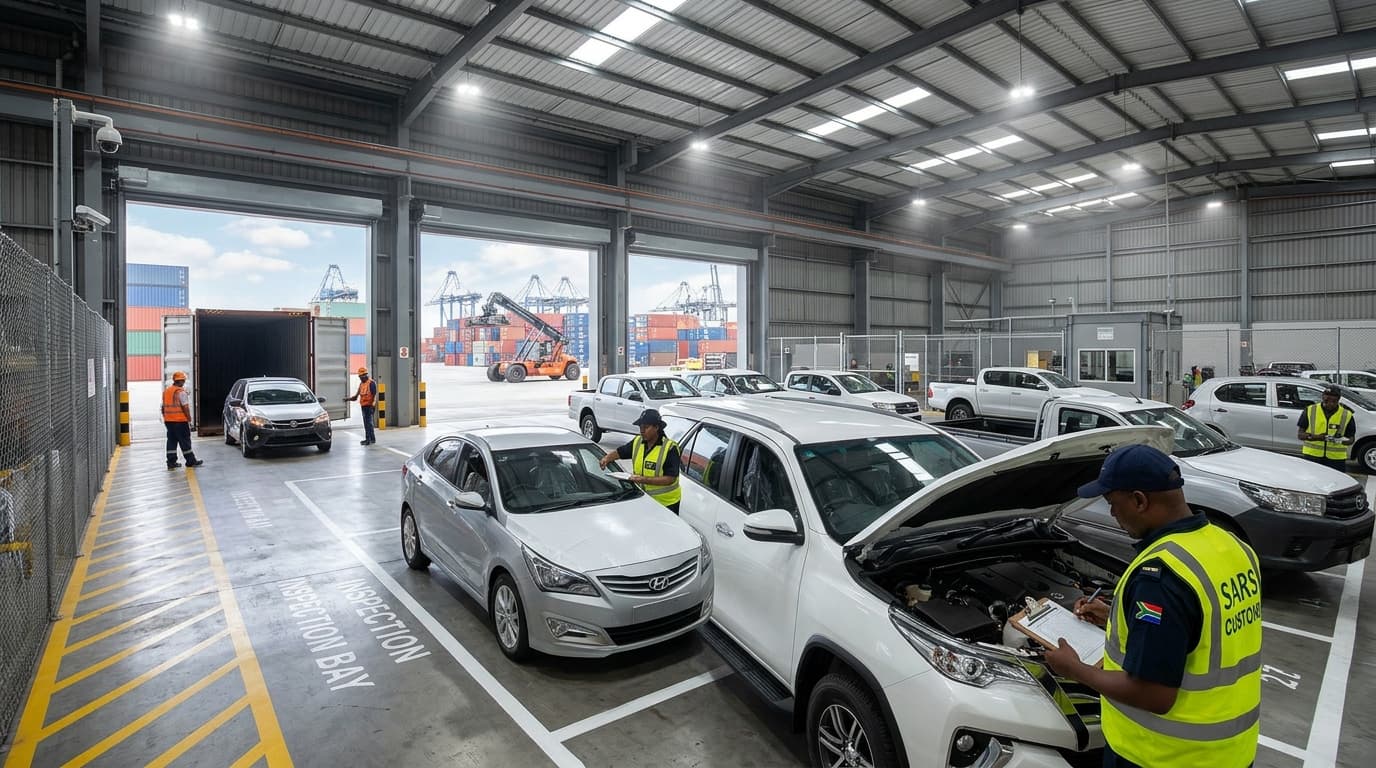
When the vehicle arrives in Nigeria, it must go through the applicable customs declaration, assessment, payment, and release procedures. As stated earlier, customs charges depend on the vehicle's classification, customs value, and applicable tariff measures. Use a licensed customs agent or a service provider authorised to handle the process, and retain evidence of the official payments.
AFRIKARS handles Nigerian customs clearance and pays applicable duties on behalf of customers using our service. We also provide customs clearance documents and proof of duty payment when the vehicle is delivered. For more information, you can sign up on our website here.
After customs releases the vehicle, arrange transportation from the port to your preferred destination. You must also complete the applicable vehicle registration requirements before using it on public roads.
With AFRIKARS, the vehicle is delivered to your door in Nigeria after customs clearance. We provide the transferred vehicle title, customs clearance papers, and proof of duty paid. Likewise, registration and number plates can be arranged as an optional service.
To keep your import budget under control:
- Verify the vehicle's eligibility before purchasing it.
- Request a breakdown of shipping, duties, taxes, port charges, and agent fees.
- Confirm the current tariff and applicable levies rather than relying on outdated online estimates.
- Use a reputable service provider or licensed clearing agent like AFRIKARS.
- Keep official receipts and customs clearance documents.
- Allow for possible changes in exchange rates, government charges, and other costs outside your control.
At AFRIKARS, we make the process more straightforward by showing you an estimated landed cost before you commit to a vehicle. Our service includes arranging the purchase, shipping, Nigerian customs clearance, and delivery. You can review the estimated total in advance instead of coordinating every stage with separate providers yourself.
Before you import cars to Nigeria, prepare the documents required for the purchase, shipping, customs declaration, and clearance process. Having the correct paperwork helps establish ownership, support customs valuation, and reduce the risk of avoidable delays.
Meanwhile, the exact requirements depend on the vehicle, how you purchase it, and the regulations applicable to your transaction. The following documents may be required:
- Vehicle purchase invoice: Shows the vehicle's purchase price and transaction details.
- Vehicle title or ownership document: Establishes the vehicle's ownership and supports the transfer to the new owner.
- Bill of lading: Records the vehicle's shipment and serves as a key shipping document.
- Combined Certificate of Value and Origin (CCVO): Provides value and origin information where required for the customs process.
- Form M: An import documentation requirement for applicable transactions. Confirm the procedure that applies to your particular vehicle import.
- Import declaration and customs assessment documents: Support the customs declaration and calculation of applicable charges.
- Proof of customs duty and tax payment: Confirms that the assessed charges have been paid.
- Marine insurance certificate: May be required for the applicable import process and can provide cover for specified shipping risks.
- Other applicable permits or compliance documents: Additional documents may be required depending on the vehicle and current regulatory requirements.
Also Read: How Much to Clear a Car in Nigeria? Full Cost Breakdown
Yes. AFRIKARS coordinates the vehicle purchase, shipping, and Nigerian customs clearance for customers using our service. We handle the customs process and provide the vehicle's transferred title, customs clearance papers, and proof of duty payment when we deliver it.
This means you don't have to coordinate every stage independently or deal with port intermediaries yourself. You can also track your vehicle's progress through our mobile app.
Before authorising a purchase, review the vehicle details and estimated landed cost so you understand the expected financial commitment. Although we aim to provide a clear estimate upfront, government regulations and other external factors can affect the final cost.
Importing a car from the USA may offer access to a wider selection of vehicles, but it isn't always cheaper than buying locally. You need to compare the overseas purchase price with shipping, applicable customs duties, clearing charges, and delivery expenses. Compare the total landed cost with the price of a similar vehicle already available in Nigeria before deciding.
You may find damaged vehicles at US auctions, but you should check the vehicle's condition, title status, and eligibility under Nigeria's current import rules before bidding.
The timeline depends on the vehicle's location, inland transportation, shipping schedule, port processing, and customs clearance. AFRIKARS reports an estimated average delivery period of six weeks from purchase. However, delays in shipping, documentation, or customs processing may extend the timeline.
Start by verifying the seller, checking the vehicle's VIN and history where available, and reviewing the purchase terms before making payment. Be cautious of unusually low prices, pressure to pay immediately, and requests to send money through untraceable channels. Request a clear breakdown of the vehicle price, shipping costs, and other charges, and retain transaction records and receipts.